Workout Fruit Boost

Caleb Ryan
| 23-03-2026
 · Cate team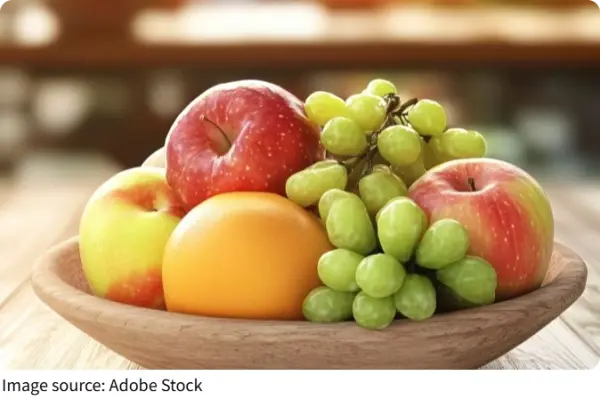
We all know that working out is only half the effort—what we eat afterward matters just as much. The right fruits can help our body recover faster, reduce fatigue, and give us a natural energy boost without feeling heavy.
Eating smartly after exercise is not just about replenishing energy—it’s about helping our muscles repair, keeping our metabolism active, and staying hydrated. Today, let’s explore some fruits that are perfect to eat after exercising and why they work so well for our body.
Apples – Low-Calorie Hydration
Apples are a nutritious, low‑calorie snack packed with water, fiber, vitamins, and antioxidants that support overall health. According to registered dietitian Amber Sommer, from Cleveland Clinic, “apples are high in fiber and water, which makes them a filling snack,” and the fiber helps slow digestion so you feel full longer and helps keep blood sugar levels more stable. Eating apples regularly can be a satisfying way to curb hunger and support healthy eating patterns.
Avocado – Muscle-Friendly Goodness
Avocados are rich in healthy fats, fiber, and protein, which makes them a great choice for those of us building or maintaining muscle. The protein in avocado helps repair muscle tissues while its fats support joint health and hormone balance. That said, we need to enjoy avocados in moderation—they’re calorie-dense, so overdoing it can add extra load on our body. Just half an avocado after a workout is enough to support recovery while keeping us feeling light and satisfied. Mixing avocado with some lemon juice or a small sprinkle of salt makes it even more delicious.
Watermelon – Quick Potassium Recharge
Watermelon is more than just a refreshing fruit—it’s packed with potassium, which we lose through sweat during exercise. Potassium helps prevent muscle cramps and fatigue while supporting heart and nerve function. Watermelon also contains citrulline, an amino acid that converts to arginine in our body. Arginine encourages nitric oxide production, which relaxes blood vessels, boosts circulation, and improves oxygen delivery to muscles. Eating a few slices of watermelon post-workout can reduce soreness, lift our mood, and keep us feeling energized for the rest of the day.
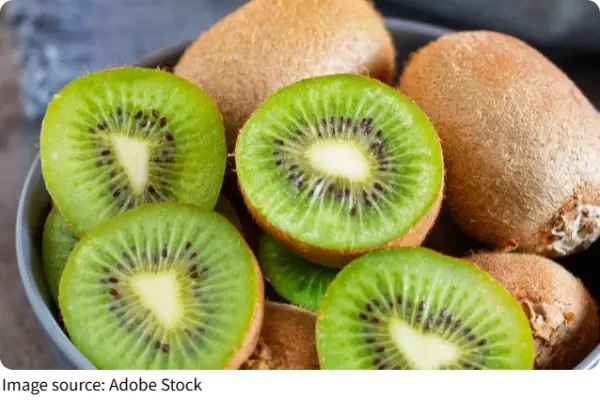
Kiwi – Vitamin C Powerhouse
Kiwi is a small but mighty fruit. It’s loaded with vitamin C, fiber, and antioxidants that help digestion, prevent constipation, and improve skin health. Its nutrients also support immune function, which is important when we train hard and stress our body. For those of us aiming for a toned body, kiwi is a natural choice for post-workout recovery because it balances sugar intake while giving us a boost of essential vitamins. We can eat it alone or mix it into a smoothie with other fruits to make it even more satisfying.
Grapes – Fast Sugar and Circulation Aid
Grapes are perfect when our energy dips after exercise. They contain natural sugars that are quickly absorbed by the body, giving an almost instant energy lift. Grapes are also rich in anthocyanins, which help reduce inflammation and support microvascular circulation. This means they help our tiny blood vessels function better, reducing swelling and promoting faster muscle recovery. Next time we feel low on energy, we can grab a handful of grapes—they’re portable, easy to eat, and work as a gentle pick-me-up before or after training.
Pineapple – Natural Anti-Inflammatory
Pineapple contains an enzyme complex called bromelain, which research suggests has anti‑inflammatory and proteolytic effects that may support recovery after exercise by reducing inflammation and muscle soreness. Registered dietitian Julia Zumpano, explains that pineapple’s bromelain “appears to produce substances that combat pain and swelling,” which is why adding pineapple to a post‑workout snack might help muscles feel better sooner.
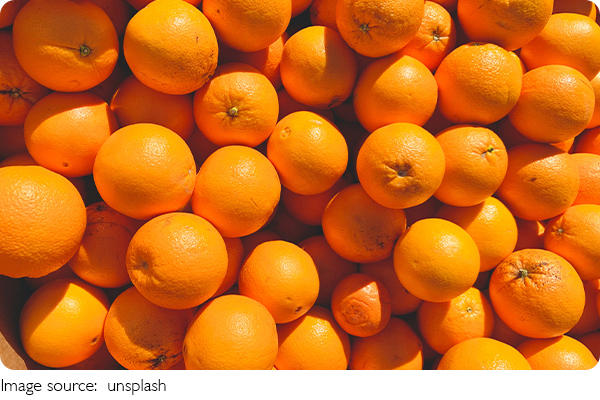
Oranges – Hydration and Nutrient Boost
Oranges are about 80% water, making them excellent for rehydration. They’re packed with vitamin C, potassium, magnesium, and calcium, which help our body recover, support nerve function, and regulate metabolism. The natural sugars in oranges provide a light energy boost, while organic acids can improve digestion. Eating an orange after exercise is simple, portable, and refreshing. For a little variety, we can squeeze some juice into sparkling water to enjoy a hydrating, tangy drink.
Final Thoughts
Lykkers, eating the right fruits after exercise is not just about taste—it’s about recovery, energy, and overall well-being. By including apples, avocados, watermelon, kiwi, grapes, pineapple, and oranges in our post-workout routine, we can replenish nutrients, reduce fatigue, and stay energized for the rest of the day. Let’s make fruit our natural ally for fitness and health—our body will thank us, and we’ll feel the difference in every session. Consistency is key: small, smart choices like these can add up to big results in the long run.