White-Tailed Deer

Amit Sharma
| 09-03-2026
 · Travel team
One early morning, while walking along a forest trail, I caught a glimpse of movement between the trees.
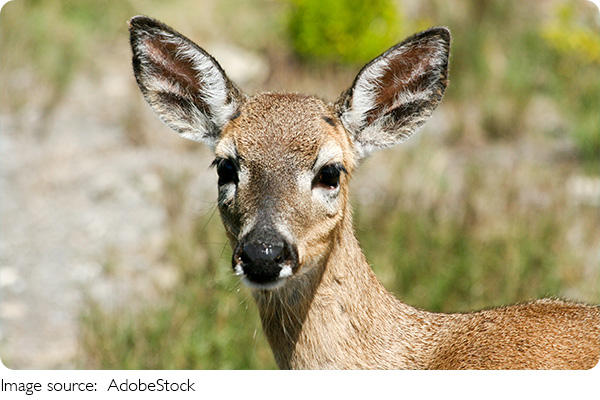
A white-tailed deer emerged cautiously, its tail flicking sharply as it paused to sniff the air.
In that fleeting moment, I realized how alert and perceptive these animals are, reacting instantly to sounds and scents that most humans would barely notice. Their elegance masks an intricate system of behaviors that help them survive in a world full of predators and challenges.
Adaptations for Survival
1. The iconic white tail
The deer's tail is more than a visual trademark—it's a communication tool. When sensing danger, a white-tailed deer raises its tail, revealing the white underside, signaling alarm to nearby deer. This visual alert system works even in dense forests where vocal sounds may not travel far, providing critical seconds for the herd to flee from predators.
2. Acute senses
White-tailed deer rely on exceptionally sharp hearing and smell. Their large, rotating ears can detect subtle rustlings, while their keen sense of smell identifies predators and food sources. Eyes positioned on the sides of their heads allow a wide field of vision, giving them early warning of approaching danger.
3. Speed and agility
When alarmed, deer can sprint up to 30 miles per hour and leap over obstacles up to 8 feet in a single bound. Their slender legs and powerful muscles allow them to navigate dense woods and open fields with remarkable grace, evading predators and humans alike.
Social Behavior and Communication
1. Family groups
White-tailed deer often form small family groups, usually a mother with her fawns. Males are generally solitary or form loose bachelor groups outside the breeding season. These social structures balance safety, resource sharing, and learning opportunities for young deer.
2. Seasonal breeding and displays
During the rut, males grow impressive antlers and engage in displays of strength to attract females. Antler size signals health and genetic quality, with fights often resolved through intimidation rather than actual combat. This behavior ensures the strongest genes are passed to the next generation.
3. Communication through scent and sound
Deer mark their territories using scent glands located on their legs, head, and antlers. Snorts, grunts, and tail flicks supplement these olfactory signals, allowing them to convey alarm, mating readiness, or territorial claims without visual contact.
Ecological Role and Impact
1. Maintaining plant balance
As herbivores, white-tailed deer play a critical role in shaping vegetation. They feed on shrubs, leaves, and young trees, which can influence forest composition and create habitats for other species. Controlled grazing may promote biodiversity, though overpopulation can lead to habitat degradation.
2. Food source for predators
Deer are a key prey species for predators such as wolves, coyotes, and mountain lions. Their population dynamics directly impact predator survival and behavior, highlighting their integral role in the food chain.
3. Indicators of ecosystem health
Healthy deer populations often signal abundant vegetation and balanced predator-prey relationships. Sudden declines, disease outbreaks, or unusual behaviors can indicate environmental stress, making them valuable ecological indicators.
Observing a white-tailed deer up close is a reminder of nature's subtle complexity. Every flick of its tail, cautious step, and sudden leap reflects a finely tuned system of instincts honed over millennia. These animals embody a delicate balance between alertness, agility, and social intelligence, showing that survival in the wild is as much about perception and communication as it is about strength.
Next time you glimpse a deer in a forest or meadow, pause to notice its movements and interactions. That elegant creature is not just a symbol of wilderness—it is a master of awareness, a communicator, and a vital part of the ecosystem, quietly shaping the environment around it.