Pears Across the Globe

Arvind Singh
| 05-03-2026
 · Cate team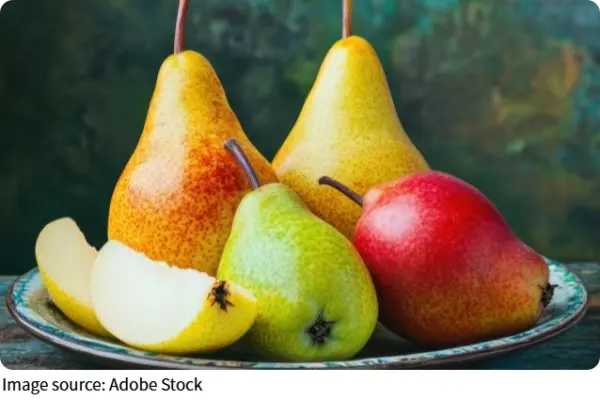
Walking through a local market, you might notice a colorful array of pears: bright yellow Bartletts, russet-toned Boscs, or smooth green Anjous.
Each variety carries its own flavor, texture, and culinary charm, often shaped by the region where it grows.
Exploring pear varieties reveals more than taste differences—it's a journey through history, climate, and culture.
Popular Pear Varieties
1. Bartlett Pears
Bartletts are among the most widely recognized pears. They have a bell-shaped profile, smooth yellow skin when ripe, and a juicy, sweet flavor. These pears are excellent for fresh eating, canning, or making purees and juices. Originating in England, Bartletts thrive in temperate climates and are often the first pear people encounter in stores.
2. Bosc Pears
Bosc pears stand out with their elongated necks and russet-colored skin. They have a firm, dense texture and a honeyed flavor that holds up well under heat, making them ideal for baking, roasting, or poaching. The Bosc's crisp flesh makes it a favorite for tarts and salads that require shape retention.
3. Anjou Pears
Anjous are rounded, with smooth green or red skin. Their subtle sweetness and tender texture make them versatile for both fresh consumption and cooking. Unlike Bartletts, Anjous ripen slowly and remain firm longer, making them a reliable choice for storage or long-distance transport.
Other Notable Varieties
1. Comice Pears
Known for their buttery texture and rich, sugary flavor, Comice pears are often considered gourmet pears. Their delicate taste makes them a popular choice for cheese pairings or elegant desserts.
2. Seckel Pears
Small and round, Seckels are exceptionally sweet and often used for preserves or pickling. Their diminutive size and concentrated flavor make them a charming addition to fruit platters.
3. Asian Pears
Distinct from the classic European varieties, Asian pears are crisp and juicy with a round apple-like shape. They are refreshing eaten raw, and their firmness allows them to hold texture in stir-fries or baked dishes.
Choosing the Right Pear
1. Consider Texture
Firmer pears like Bosc or Anjou are suitable for baking or roasting, while softer, juicy pears like Bartletts excel in fresh eating and purees. Texture guides culinary use and eating preference.
2. Taste Preferences
Sweeter varieties such as Comice or Bartlett are great for desserts, while slightly tart pears like Anjou or some Asian types balance well in salads or savory dishes. Matching taste to dish enhances flavor harmony.
3. Storage and Ripening
Some pears ripen quickly at room temperature, like Bartletts, while others like Anjous can be stored for weeks. Understanding ripening behavior helps prevent spoilage and ensures peak flavor when serving.
Washington State University (WSU) Tree Fruit says: “Pears are unique in the sense that in order to ripen, they require a pre-cooling or ‘conditioning’ stage followed by exposure to room temperature.”
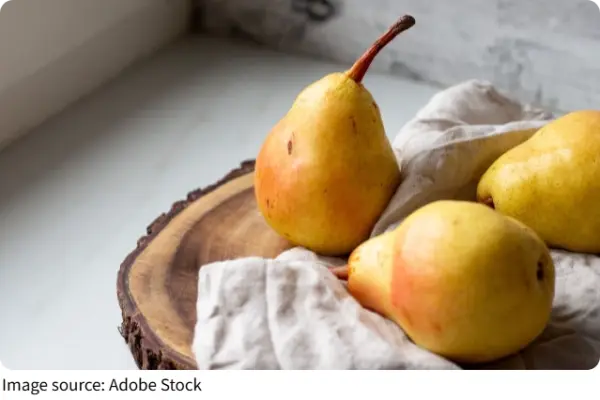
Exploring pear varieties opens a window into the diversity and richness of this beloved fruit. Each type offers a unique combination of flavor, texture, and culinary potential, shaped by the region it grows in and the conditions it prefers. From the everyday sweetness of a Bartlett to the gourmet allure of a Comice or the crisp bite of an Asian pear, pears remind us that even familiar fruits can offer endless variety and enjoyment. Next time you select a pear at the market, take a moment to appreciate its distinct personality and imagine the ways it can enhance both simple snacks and elegant dishes.