Vitamin C in Fruits

Chandan Singh
| 05-03-2026
 · Cate team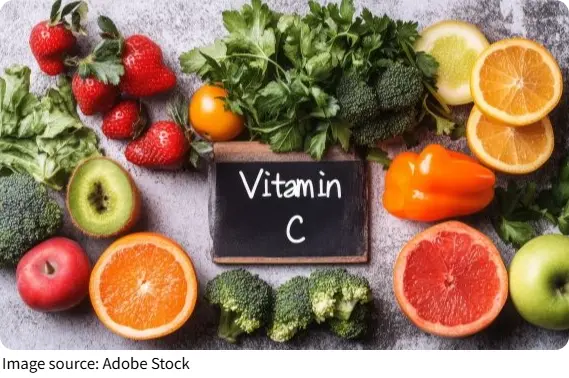
You slice open an orange, and the fresh citrus scent instantly fills the air.
That bright aroma isn't just refreshing—it signals the presence of vitamin C, one of the most essential nutrients our bodies rely on daily.
While many people associate vitamin C only with oranges, a wide variety of fruits contain impressive amounts of this powerful antioxidant. Understanding which fruits provide it—and how to maximize its benefits—can transform simple snacking into a smart health strategy.
Why Vitamin C Matters
1. Immune Support
Vitamin C contributes to normal immune function. The NIH Office of Dietary Supplements notes that vitamin C “helps the immune system work properly to protect the body from disease.”
Adults generally need around 75–90 mg per day.
For example, NIH lists a medium orange at about 70 mg of vitamin C.
2. Collagen Production
Collagen is a structural protein found in skin, tendons, and blood vessels. Vitamin C plays a critical role in collagen synthesis, supporting skin structure and wound healing. NIH notes the body needs vitamin C “to make collagen, a protein required to help wounds heal.”
3. Antioxidant Protection
As an antioxidant, vitamin C helps protect cells from damage caused by free radicals. NIH explains that vitamin C “acts as an antioxidant, helping to protect cells from the damage caused by free radicals.”
Top Fruits Rich in Vitamin C
1. Citrus Fruits
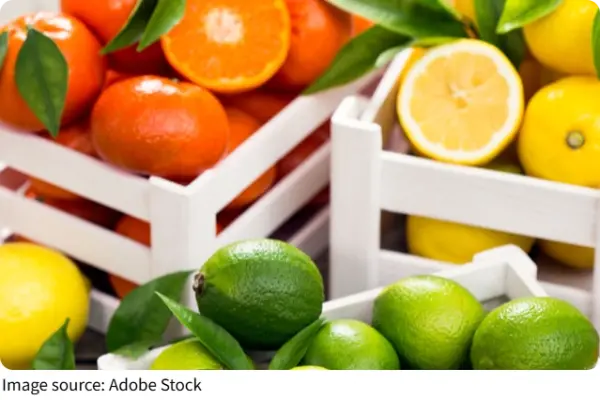
Oranges, lemons, grapefruits, and mandarins are well-known sources. A cup of fresh orange segments provides approximately 70 milligrams of vitamin C. Grapefruit offers around 39 milligrams per half fruit, making citrus a reliable daily choice.
2. Kiwi
A single medium kiwi delivers about 64 milligrams of vitamin C, often exceeding the amount found in an orange. Its vibrant green flesh and sweet-tart flavor make it both nutritious and appealing.
3. Strawberries
One cup of sliced strawberries provides nearly 95 milligrams of vitamin C. Beyond their sweetness, strawberries offer fiber and other antioxidants that complement vitamin C's benefits.
4. Papaya
One cup of fresh papaya contains roughly 88 milligrams of vitamin C. Its tropical sweetness pairs well with yogurt, salads, or smoothies while boosting daily intake.
5. Guava
Guava stands out as one of the richest sources. A single fruit can contain over 120 milligrams of vitamin C, exceeding daily recommendations. Its fragrant, slightly tangy flesh makes it a nutritional powerhouse.
Maximizing Vitamin C Intake
1. Eat Fruits Fresh
Vitamin C is water-soluble and sensitive to heat. Prolonged cooking can reduce its content. NIH notes vitamin C content “may be reduced by prolonged storage and by cooking.”
Eating fruits raw or lightly prepared preserves more of the nutrient.
2. Store Properly
Exposure to air and light can gradually degrade vitamin C. Store fruits in a cool, dark place or refrigerate them to maintain nutritional value. Cut fruits should be consumed promptly.
3. Pair with Iron-Rich Foods
Vitamin C can help the body absorb iron from plant foods. NIH notes that vitamin C “improves the absorption of iron from plant-based foods.”
Adding strawberries to oatmeal or squeezing lemon over leafy greens can support iron uptake naturally.
Incorporating vitamin C–rich fruits into daily meals doesn't require complicated planning. A bowl of strawberries at breakfast, a kiwi in the afternoon, or citrus segments in a salad can collectively meet daily needs with ease. The beauty of fruit-based nutrition lies in its simplicity: vibrant colors, natural sweetness, and genuine health benefits in every bite.
Next time you reach for a snack, consider choosing a fruit bursting with vitamin C. That bright flavor isn't just refreshing—it's a quiet investment in your body's resilience, one delicious serving at a time.