Free Wi-Fi, Hidden Tracking

Santosh Jha
| 04-03-2026
 · Automobile team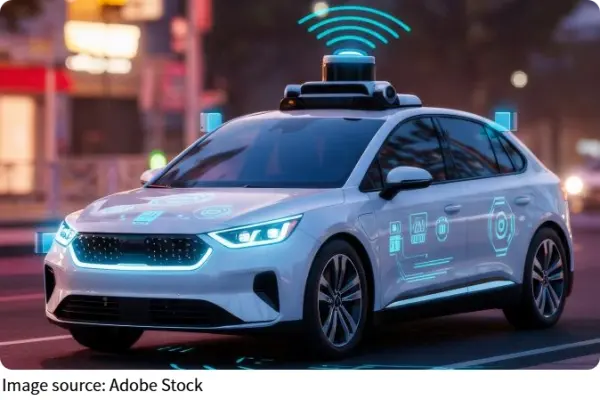
You slide into your car, fire it up, and see the familiar Wi-Fi icon blink on your dashboard. "Free Wi-Fi," it promises—perfect for streaming playlists or catching up on emails during your commute.
It feels convenient, even generous. But behind that free signal lurks a less obvious reality: your vehicle might be quietly tracking where you go, what you do online, and even what apps you open.
How In-Car Wi-Fi Collects Data
Free Wi-Fi isn't actually free if you consider what you're trading. Automakers and service providers can gather significant amounts of personal data through these connections.
1. Location tracking. Every time your device connects, GPS and cellular data can log routes, stops, and driving patterns, feeding analytics for traffic, marketing, or insurance purposes.
2. Online activity monitoring. Websites you visit, apps you use, and even media streaming habits can be recorded and aggregated, building a profile of your behavior inside the vehicle.
3. Device identifiers. Unique device IDs like Media Access Control addresses can link multiple trips or cars to the same person, allowing long-term tracking beyond a single session.
Even if the Wi-Fi seems anonymous, it's a powerful tool for companies to monitor user behavior.
The Hidden Benefits for Companies (and Risks for You)
Why go through all this effort? The data collected provides companies with actionable insights, but at a cost to privacy.
1. Personalized marketing. Carmakers and partners can deliver targeted ads based on driving habits, nearby businesses, or digital content preferences.
2. Insurance profiling. Telematics collected through Wi-Fi can affect insurance rates, as insurers gain access to driving behavior patterns.
3. Product development and analytics. Tracking app usage and routes helps companies refine in-car systems, but also means your private habits are constantly analyzed.
While these insights improve services, they also make your private driving data a commodity.
Tech Tricks Behind the Scenes
The tracking isn't just passive—it's often built into the software architecture of connected vehicles.
1. Embedded SIM cards. Many modern cars contain built-in SIMs that maintain constant connectivity and can upload anonymized—but potentially linkable—data in real time.
2. Wi-Fi hotspots as data funnels. Your device connects to the car's network, and that connection acts as a bridge for monitoring network traffic, app usage, and media preferences.
3. Integration with cloud platforms. Data is sent to centralized servers for aggregation, analysis, and storage, meaning your vehicle's history can persist indefinitely unless actively deleted.
Understanding these mechanisms highlights how "free" connectivity really works in practice.
Practical Steps to Protect Your Privacy
You don't have to give up in-car Wi-Fi entirely, but there are ways to reduce tracking exposure.
1. Limit auto-connect. Disable automatic Wi-Fi connection in your device settings, and connect only when necessary.
2. Use a VPN. A virtual private network encrypts your data, hiding browsing activity from the car's monitoring systems.
3. Review privacy settings. Explore your car's infotainment settings to opt out of data sharing where possible, and check whether updates allow more granular control over analytics.
Being proactive lets you enjoy connectivity while minimizing intrusive tracking.
Rethinking "Free" in Connected Cars
Free Wi-Fi in cars may feel like a convenience, but it comes with a hidden cost: your personal data. Every route, playlist, or web search can be collected and analyzed, often for marketing or insurance purposes. The next time you see the Wi-Fi icon, consider the trade-off and take steps to protect your privacy.
By staying aware, adjusting settings, and using privacy tools, you can enjoy digital convenience without unknowingly surrendering control of your personal information. Free Wi-Fi isn't just a perk—it's a window into your habits, and understanding that trade-off is the first step to smart digital safety.