What Is a Healthy Staple?

Chandan Singh
| 04-03-2026
 · Cate team
Open your kitchen cabinet and look at what you reach for most often. It might be rice, oats, whole-grain bread, potatoes, or dried beans. These are not weekend treats or special-occasion dishes. They are the foods that appear again and again on your plate. That repetition is exactly what makes them powerful.
A staple food is something eaten regularly and in substantial amounts. When we add the word “healthy,” we are not talking about trends or superfoods. We are talking about everyday foundations that consistently support energy, digestion, and long-term well-being.
The Core Idea: Frequency Matters
1. Eaten daily or almost daily
A staple is not occasional. It forms the base of meals across weeks and months. Because it is consumed so often, its nutritional quality has cumulative impact. If the staple is high in refined carbohydrates and low in fiber, that pattern repeats daily. If it is rich in fiber and micronutrients, the benefits also accumulate.
2. Primary source of energy
Staple foods typically provide a significant portion of calories. Whole grains such as brown rice or oats supply complex carbohydrates, which break down gradually and provide steady glucose to fuel the brain and muscles. This differs from highly refined products that can cause rapid spikes and crashes in blood sugar.
3. Nutritional density over emptiness
A healthy staple delivers more than calories. It contains fiber, vitamins, minerals, and sometimes plant protein. For example, one cup of cooked lentils provides about 15 grams of fiber and 18 grams of protein, according to widely cited nutrition databases. That combination supports satiety and digestive health.
Common Examples of Healthy Staples
1. Whole grains
Brown rice, quinoa, barley, and whole-wheat bread retain the bran and germ of the grain. These components contain B vitamins, iron, magnesium, and fiber. Research published in large prospective cohort studies has linked higher whole-grain intake with lower risk of cardiovascular disease and type 2 diabetes.
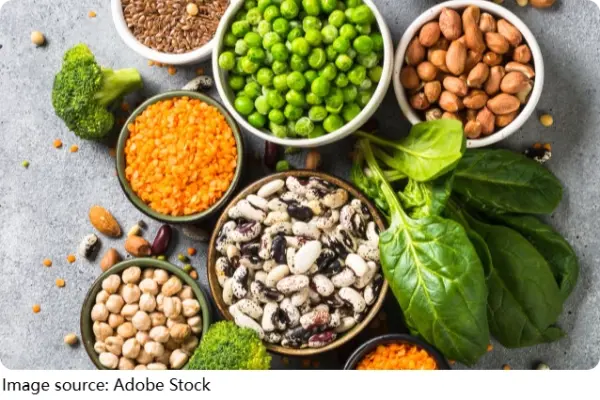
2. Legumes
Beans, lentils, and chickpeas are inexpensive, shelf-stable, and nutritionally robust. They offer plant protein and soluble fiber, which can help regulate cholesterol levels. In many dietary guidelines worldwide, legumes are recommended several times per week as part of a balanced eating pattern.
3. Starchy vegetables
Potatoes and sweet potatoes are often misunderstood. When prepared without excessive frying or heavy sauces, they provide potassium, vitamin C, and fiber. A medium baked potato with skin contains more potassium than a banana, a detail confirmed by standard nutrient composition data.
What Makes a Staple Truly Healthy?
1. Minimal processing
The closer a food is to its original form, the more intact its nutrient profile tends to be. Whole oats differ significantly from sugary instant oat products with added syrups.
2. Balanced pairing
Even a healthy staple works best when combined thoughtfully. Whole grains paired with vegetables and plant proteins create a balanced plate with carbohydrates, fiber, and essential amino acids.
3. Sustainable habit
A staple must be realistic. If it is too expensive, unavailable, or culturally unfamiliar, it will not remain consistent. Health is built on patterns, not short-term enthusiasm.

The Long-Term Perspective
1. Small choices, repeated
Eating whole-grain bread instead of refined white bread once does little. Making that switch daily for years alters overall nutrient intake significantly.
2. Digestive resilience
Fiber from whole foods supports beneficial gut bacteria, which in turn influence immune and metabolic health. As gastroenterologist Will Bulsiewicz explains that the single greatest predictor of a healthy gut microbiome is the diversity of plants in one’s diet. Fiber-rich plant foods act as fuel for these microbes, helping them produce compounds that support digestion, regulate inflammation, and contribute to overall health.
3. Stable energy
Complex carbohydrates digest more slowly, helping maintain steady energy levels throughout the day.
A healthy staple food is not flashy. It does not rely on exotic ingredients or dramatic marketing. It sits quietly at the center of meals, doing its work consistently. When you examine your own kitchen shelves, you are essentially looking at the blueprint of your nutritional future.
If you choose staples that nourish rather than merely fill, the benefits compound over time—meal after meal, year after year. Sometimes the most important health decision is not what you eat occasionally, but what you eat almost every day.