Nature's Hydration

Amit Sharma
| 05-03-2026
 · Cate team
A slice of watermelon on a hot afternoon feels almost medicinal. Juice runs down your wrist, the flesh is crisp and cool, and thirst fades within seconds. But beyond refreshment, what is actually happening inside the body when you eat watermelon?
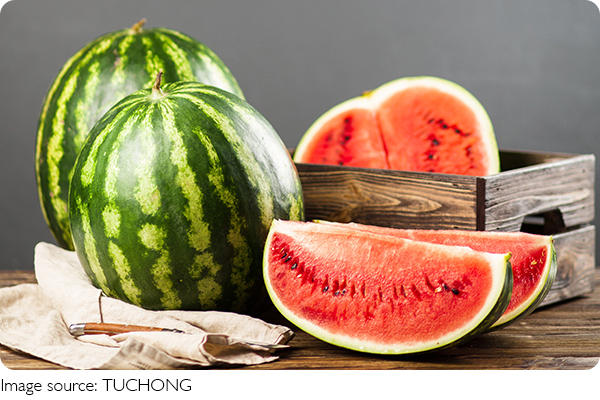
Often dismissed as “mostly water,” watermelon delivers a surprisingly strategic combination of hydration, antioxidants, and key micronutrients. Its nutritional strength lies not in density, but in function—how it supports fluid balance, cellular protection, and cardiovascular health.
Hydration as a Nutritional Strategy
1. High Water Content Supports Fluid Balance
Watermelon is approximately 92% water. This makes it one of the most hydrating whole fruits available. Proper hydration supports circulation, temperature regulation, and joint lubrication. Unlike plain water, watermelon provides fluids along with electrolytes such as potassium, helping the body maintain balance more effectively during heat exposure or physical activity.
2. Low Energy Density, High Volume
One cup (about 150 grams) of diced watermelon contains roughly 45–50 calories. Because of its high water content, it provides volume without excessive energy intake. This characteristic supports satiety while keeping calorie load modest, making it a practical option for those managing weight.
3. Natural Sugars with Moderation
Watermelon contains natural sugars, about 9–10 grams per cup. However, its glycemic load remains moderate due to high water content. When eaten as whole fruit rather than juice, the fiber present slows absorption and reduces rapid blood sugar spikes.

Lycopene: The Antioxidant Advantage
1. Rich Source of Lycopene
Watermelon is one of the leading fresh fruit sources of lycopene, a red carotenoid pigment also found in tomatoes. Lycopene functions as an antioxidant, helping neutralize free radicals—unstable molecules that contribute to cellular damage over time. Diets rich in lycopene have been associated with improved cardiovascular markers and reduced oxidative stress.
2. Support for Heart Health
Oxidative stress plays a role in the development of cardiovascular disease. By supplying antioxidants such as lycopene and vitamin C (about 12 mg per cup, or roughly 15% of the daily recommended intake for many adults), watermelon contributes to vascular protection. Vitamin C also supports collagen production, which maintains blood vessel integrity.
3. Skin Protection from Within
While sunscreen remains essential, antioxidants from foods can complement external protection. Research on carotenoids such as lycopene suggests they help neutralize oxidative stress caused by ultraviolet exposure. As biochemist Wilhelm Stahl explains, “dietary carotenoids may contribute to life-long protection against harmful UV radiation.” Regular intake of lycopene-rich foods—like tomatoes—supports the body’s antioxidant defenses, although it should never replace sunscreen or other protective measures.
Citrulline and Circulation
1. A Natural Source of Citrulline
Watermelon contains citrulline, an amino acid concentrated particularly in the rind. Citrulline converts in the body to arginine, which plays a role in nitric oxide production. Nitric oxide helps relax blood vessels, supporting healthy circulation.
2. Exercise Recovery Potential
Some small clinical studies suggest that watermelon juice may help reduce muscle soreness after intense physical activity, possibly due to its citrulline content. While more research is needed, this points to a functional benefit beyond hydration alone.
3. Blood Pressure Considerations
Because nitric oxide assists in vasodilation, citrulline has been explored for its potential influence on blood pressure regulation. Whole watermelon provides modest amounts, making it a supportive addition to a heart-conscious dietary pattern.
Micronutrients That Matter
1. Potassium for Balance
A cup of watermelon offers about 170 mg of potassium. This mineral plays a key role in fluid regulation, nerve transmission, and muscle contraction. Adequate potassium intake is associated with maintaining healthy blood pressure levels.
2. Vitamin A for Vision and Immunity
Watermelon provides beta-carotene, which the body converts into vitamin A. This nutrient supports eye health, immune response, and skin integrity.
3. Gentle Fiber Support
Although not high in fiber, watermelon contains small amounts that contribute to digestive function when included as part of a varied diet.
Watermelon's value does not lie in concentrated protein or dense fiber. Its strength is strategic support—hydration paired with antioxidants and circulation-enhancing compounds. It is functional refreshment.
The next time you cut into a chilled melon, notice how quickly your body responds—the cooling sensation, the subtle lift in energy, the relief from thirst. Sometimes nourishment does not arrive in heavy form. Sometimes it arrives bright, red, and quietly effective.