Raspberry Nutrition Power

Caleb Ryan
| 26-02-2026
 · Cate team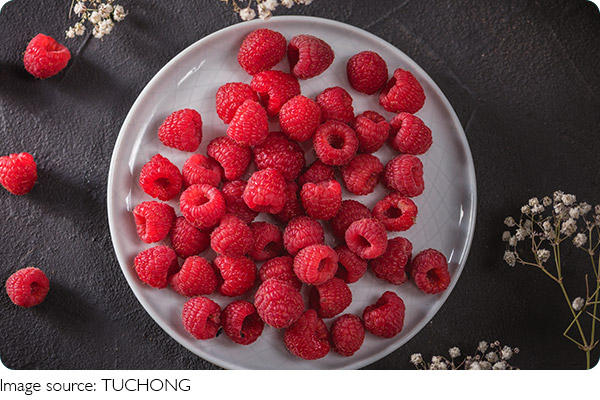
A bowl of raspberries can disappear fast.
One minute they're bright and fresh on the counter, the next you're licking a little red juice off your fingers. They taste light and sweet, but don't let that fool you. These tiny berries carry a serious nutritional punch.
If you've ever wondered whether raspberries are more than just a pretty topping for yogurt or oatmeal, the answer is yes—and then some.
1. High Fiber, Small Calories
Steady digestion
Fuller longer
Gentle on blood sugar
Raspberries are one of the highest-fiber fruits you can buy. One cup (about 123 grams) provides roughly 8 grams of fiber and only about 64 calories.
Fiber does more than “keep things moving.” It slows down how quickly your body absorbs sugar, which helps prevent sharp spikes and crashes in energy. If you often feel hungry an hour after breakfast, fiber may be the missing piece.
Actionable example:
- Add half a cup of raspberries to your morning oatmeal or yogurt.
- Pair them with a handful of nuts or seeds.
- Notice how long you stay satisfied compared to a low-fiber breakfast like toast alone.
This simple swap can make your mornings steadier and more comfortable without adding many extra calories.
2. Rich in Vitamin C
Stronger immunity
Healthier skin
Better iron absorption
A single cup of raspberries provides about 36 mg of vitamin C (over a third of the Daily Value, depending on the labeling system used). Vitamin C supports your immune system, helps your body produce collagen (which keeps skin firm and elastic), and improves the absorption of iron from plant-based foods.
Collagen production matters more than most people think. It's part of what keeps skin smooth and helps wounds heal properly. While no food is a miracle solution, regularly eating vitamin C–rich fruits supports your body's natural repair systems. “The body also needs vitamin C to make collagen, a protein required to help wounds heal.” — NIH Office of Dietary Supplements.
Actionable example:
- Toss raspberries into a spinach salad with citrus segments.
- Add a squeeze of lemon to the dressing.
- Combine with lentils or beans for a plant-based meal that maximizes iron absorption.
The vitamin C in the berries and lemon helps your body use the iron in the legumes more efficiently.
3. Packed with Antioxidants
Cell protection
Healthy aging
Reduced oxidative stress
Raspberries contain antioxidants, including anthocyanins (which contribute to their red color) and other polyphenols such as ellagic acid. These compounds help support the body’s defenses against oxidative stress. They’re not a quick “fix,” but they’re a smart choice to include regularly.
Oxidative stress is linked to aging and several chronic conditions. While eating raspberries won't “reverse” anything overnight, consistently including antioxidant-rich foods can support long-term health.
Actionable example:
- Keep a bag of frozen raspberries in your freezer.
- Blend them into a smoothie with plain yogurt and a banana.
- Use this as an afternoon snack instead of processed sweets.
Frozen berries retain most of their nutrients and are often more affordable, making it easier to build this habit year-round.
4. Support for Heart Health
Lower LDL levels
Improved blood vessel function
Balanced blood pressure
The fiber and antioxidants in raspberries can support heart-friendly eating patterns. Soluble fiber can reduce the absorption of cholesterol into your bloodstream, which is one reason higher-fiber diets are often recommended for heart health.
Raspberries also contain potassium, which plays a role in maintaining healthy blood pressure. While they're not as high in potassium as some other fruits, every bit contributes to overall balance—especially when combined with a diet rich in whole foods.
Actionable example:
- Replace sugary desserts a few times a week with a bowl of fresh raspberries and plain yogurt.
- Sprinkle a little cinnamon on top for extra flavor.
- Make this your go-to evening snack.
Over time, small substitutions like this can reduce added sugar intake and support heart-friendly eating patterns.
5. Naturally Low in Sugar
Fewer sugar spikes
Better energy stability
Smart choice for mindful eating
Compared with many fruits, raspberries are relatively low in natural sugar. One cup contains about 5 grams of sugar, and their high fiber content helps keep them satisfying.
This doesn't mean you need to fear other fruits. But if you're building a balanced plate, raspberries offer sweetness without overwhelming your system.
Actionable example:
- If you crave something sweet after dinner, mix raspberries with a spoonful of unsweetened Greek yogurt.
- Let the berries sit for a few minutes so their juice blends in naturally.
- Taste before adding any sweetener—you may find you don't need it.
This approach trains your palate to appreciate natural sweetness rather than relying on added sugars.
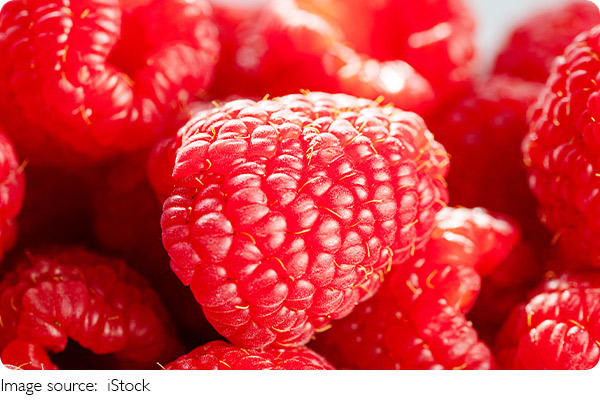
Raspberries might look delicate, but nutritionally they're anything but fragile. They deliver fiber that keeps you steady, vitamin C that supports your body's repair systems, antioxidants that help protect your cells, and natural sweetness without excess sugar. The best part is how easy they are to use. You don't need a complicated recipe or a special occasion—just a handful in your breakfast, a sprinkle on your salad, or a simple bowl in the evening.
Sometimes real nutrition doesn't come from dramatic changes. It comes from small, consistent choices. A cup of raspberries here and there may seem minor, but over weeks and months, those small red berries can quietly support a stronger, steadier you.