Lemon Power Life

Arvind Singh
| 26-02-2026
 · Cate team
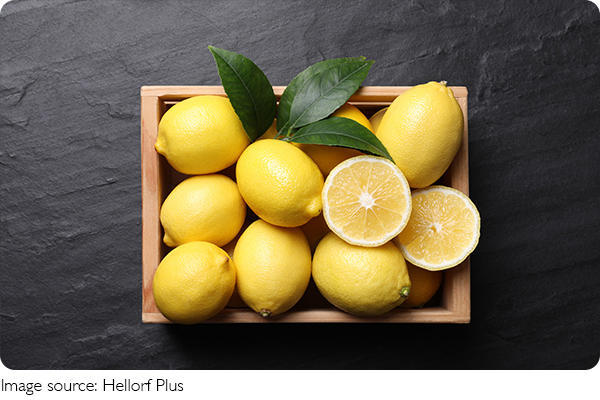
Lemons are bright yellow fruits that grow on evergreen citrus trees. The trees usually have a round crown with thin branches and small thorns. Their leaves are long, green, and smooth. The flowers are light colored with a soft fresh smell. When the fruit ripens, it turns yellow and feels firm with a shiny surface.
We often see lemons in markets, kitchens, and restaurants. They grow best in warm climates and need enough sunlight and water to thrive. Cold weather can slow their growth or damage the trees. Farmers usually plant them in subtropical regions where the conditions are suitable.
Lemon trees can bloom several times a year, and the fruit usually develops from spring to autumn. This steady cycle allows us to enjoy lemons for most of the year.
Nutritional Value and Health Benefits
According to nutrition guidance from the Cleveland Clinic, lemons are a rich source of vitamin C, a nutrient that supports immune function and helps protect cells from oxidative stress. Their health experts explain that citrus fruits also contain plant compounds and natural acids that can support digestion and add flavor to foods, making it easier to maintain healthy eating habits. Because of its refreshing taste and aroma, lemon water is often used as a simple way to stay hydrated and feel more energized, especially in the morning.
Many people start their morning with a cup of warm water mixed with fresh lemon juice. This simple habit feels light and refreshing. It is also common to add lemon slices to tea or drinks to create a healthier option. We use lemons as a natural support for daily wellness without relying on artificial additives.
Lemons in Food and Cooking
Lemons play a key role in cooking around the world. Their juice adds a bright sour taste that enhances many dishes. A small amount of lemon juice can improve the flavor of seafood, grilled meat alternatives, vegetables, salads, and desserts.
In cooking, balance is important. Lemon juice helps reduce strong smells and adds freshness to rich meals. Many chefs use it to adjust taste before serving food. It makes dishes feel lighter and more appealing.
We also see lemons used in drinks. Lemon water, lemonade, and fruit tea often include fresh slices or squeezed juice. These beverages are popular because they taste refreshing and easy to prepare. In cafes and homes, lemon is a simple ingredient that creates enjoyable drinks for family and friends.
The peel is valuable too. It contains aromatic oil that carries a clean citrus scent. People sometimes grate the yellow skin to add flavor to baked goods or desserts. Some also extract lemon oil for fragrance or natural product use. Using both the juice and peel helps reduce waste and increases efficiency.
Lemon Oil and Household Uses
Lemon oil is extracted from the peel. It has a strong and fresh aroma that is widely used in cleaning products, room sprays, and natural air fresheners. The scent helps reduce unpleasant smells and creates a cleaner indoor environment.
We often find lemon-based ingredients in soaps, detergents, and surface cleaners. Its natural acidity can help remove light stains and grease. Simple cleaning solutions made with lemon juice and water are popular in many households because they are easy to prepare and effective.
However, direct contact with concentrated lemon juice may irritate sensitive skin. It is important to dilute it properly and use it with care. Safe use allows us to enjoy its benefits without discomfort.

Why Lemons Remain Popular Worldwide?
Lemons are grown in many warm regions across different countries. Major production areas include Europe and parts of North America. Because demand is high, lemon farming has become an important part of agriculture in these regions.
Market prices may change depending on supply and demand. When more people use lemons for drinks and healthy lifestyles, consumption increases. Fresh lemons are available in supermarkets throughout the year, making them easy to access for most people.
We see lemons as more than just fruit. They bring flavor to food, freshness to drinks, and natural support to daily life. Their bright color also symbolizes energy and vitality.
In simple terms, lemons combine taste, health benefits, and practical uses in one small fruit. Lykkers, have you tried adding lemon to your meals or drinks today? Let us explore creative ways to use lemons and enjoy their fresh power every day.