Latte vs. Latte Macchiato

Chandan Singh
| 24-02-2026
 · Cate team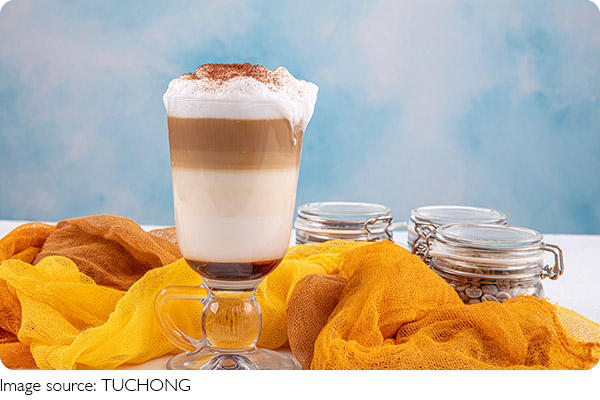
Walking into a café, the barista hands you a steaming cup of coffee.
You glance at the menu: latte or latte macchiato? At first glance, they seem similar—both creamy, both espresso-based—but each tells a slightly different story in taste, texture, and presentation.
Understanding these differences can completely change how you enjoy your coffee, whether at home or in a café.
Understanding the Latte
1. Ingredients and proportion – A classic latte is made with one or two shots of espresso, combined with steamed milk and a thin layer of milk foam on top. The milk-to-coffee ratio is higher, often around 3:1, which creates a smooth, creamy taste.
2. Preparation technique – Pull a fresh espresso shot, steam the milk to around 150–160°F (65–70°C), then pour the milk directly into the espresso. The milk integrates fully, softening the espresso's intensity while keeping a velvety texture.
3. Visual appeal – Lattes are often served in a wide cup or glass, allowing room for latte art. Swirls, hearts, or simple leaf patterns emerge from careful pouring of steamed milk over espresso.
Example: At a café in Zurich, a barista demonstrated that tilting the cup while pouring steamed milk helps create a smooth heart pattern, which enhances both taste and presentation.
Exploring the Latte Macchiato
1. Ingredients and proportion – Latte macchiato emphasizes milk first. A tall glass is filled with steamed milk, topped with a shot of espresso that “marks” the milk—hence the name, macchiato, which means “stained” in Italian. The espresso floats on top, creating a layered effect.
2. Preparation technique – Pour milk first, then slowly add espresso to maintain separation. Foam is more prominent, and careful pouring ensures the espresso doesn't immediately blend with milk. The contrast between dark espresso and white milk is key to the experience.
3. Visual appeal – Latte macchiatos are usually served in tall, transparent glasses to showcase the layers. Watching the espresso gently sink and mingle with milk is part of the enjoyment.
Tip: Use a spoon to gently pour espresso over the milk foam if you want to maintain sharp layers; this helps preserve both visual contrast and subtle taste separation.
Flavor Profiles and Experience
1. Latte taste – Smooth, mild, and creamy. The espresso is noticeable but softened by the volume of milk. It's ideal for those who enjoy a gentle coffee experience with subtle sweetness, especially if paired with syrups or flavor shots.
2. Latte macchiato taste – Slightly stronger espresso impact in the first sips. The layered approach lets you taste the espresso and milk separately, offering a dynamic experience as the layers mix while drinking.
3. Personal preference – Choose a latte if you prefer uniform creaminess, and a latte macchiato if you enjoy a visual and taste contrast that evolves as you sip.
Example: A café in Vienna serves latte macchiato with a thin caramel drizzle on the espresso layer. As the coffee sinks through the milk, the taste subtly changes, creating a mini tasting journey in one glass.
Practical Tips for Home Brewing
1. Equipment matters – Use a small espresso machine with a steam wand or a quality handheld frother. A milk thermometer helps achieve the ideal temperature without scalding milk.
2. Glassware selection – Wide cups for lattes, tall clear glasses for latte macchiatos. The shape not only affects presentation but also influences how the milk and espresso interact.
3. Layer control – For macchiatos, pour espresso over a spoon resting on milk foam to slow integration. For lattes, pour milk steadily into espresso, letting it mix completely for a uniform flavor.
Tip: Practice one drink at a time. Start with a latte to get the steaming technique right, then move to latte macchiato to master layering.

Enhancing the Experience
1. Sweeteners and flavors – Vanilla, hazelnut, or caramel can be added to both drinks, but timing matters. Mix syrups into the milk before pouring for lattes, and into espresso before topping the milk for macchiatos.
2. Temperature awareness – Both drinks are best served immediately. If iced versions are desired, chill milk and adjust ice amounts to maintain the layered experience in macchiatos.
3. Presentation tricks – Add a light sprinkle of cocoa or cinnamon on top for aroma and subtle flavor without overwhelming the coffee itself.
Savoring a latte or latte macchiato is more than caffeine intake—it's an exploration of textures, temperature, and visual artistry. Taking time to notice the balance between espresso and milk, the way layers form, and how each sip evolves can make even a quick coffee break feel indulgent. Next time you choose between a latte or a latte macchiato, pay attention to both flavor and appearance. It's a simple way to turn your coffee ritual into a small, mindful experience.