Classic Bundt Cake Guide

Amit Sharma
| 25-02-2026
 · Cate team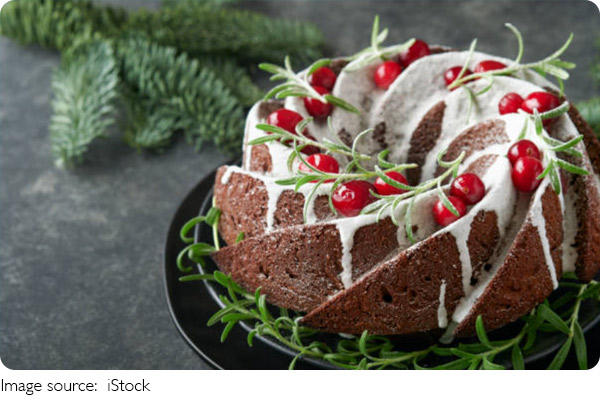
There's something quietly special about a cake that doesn't need layers, filling, or decoration to feel complete.
A bundt cake rises in a single curved pan, forming gentle ridges that catch the light as it cools on the counter. The scent fills the kitchen slowly, not loudly, and by the time it's ready to slice, the whole space feels warmer.
Making one from scratch isn't complicated—it's more about patience and small, careful steps than advanced skill.
Ingredients that build a tender crumb
Balanced dry mix
Rich moisture base
Light natural sweetness
A classic bundt cake relies on familiar pantry ingredients working together in the right proportions. Flour provides structure, while butter and eggs create softness. Sugar adds sweetness and helps the surface turn lightly golden during baking.
Prepare these ingredients before starting (for a 10–12 cup bundt pan).
2½ cups all-purpose flour
1½ cups sugar
1 cup softened butter
4 large eggs at room temperature
1 cup milk
2 teaspoons baking powder
1 teaspoon vanilla extract
A small pinch of salt
Letting cold ingredients rest at room temperature for about 20 minutes makes mixing smoother and prevents a dense texture. This simple waiting step often determines whether the final cake feels light or heavy.
Preparing the pan for a clean release
Complete surface coating
Careful flour dusting
Even baking shape
Bundt pans have detailed curves, which means proper preparation matters. Without it, the cake may stick and lose its beautiful pattern when removed.
Follow this easy method:
Brush a thin layer of softened butter across every inner curve of the pan.
Sprinkle a small amount of flour inside.
Rotate and tap the pan until all surfaces are lightly covered, then shake out extra flour.
This creates a protective barrier so the baked cake slides out smoothly. Taking one extra minute here prevents the disappointment of a broken edge later.
Mixing the batter step by step
Creamed butter texture
Gradual egg blending
Gentle flour folding
Start by beating butter and sugar together until the mixture looks pale and slightly fluffy. This step traps tiny air pockets that help the cake rise evenly.
Next, add eggs one at a time, mixing slowly after each addition. Rushing this stage can cause the batter to separate, so steady movement works best. Mix in the vanilla extract after the eggs are incorporated.
Then combine flour, baking powder, and salt in a separate bowl. Add this dry mixture to the batter in three parts, alternating with milk. Stir just until smooth. Over-mixing can make the cake firm instead of tender.
A helpful habit is to stop mixing as soon as no dry flour is visible. The batter should look creamy and thick but spoonable, not stiff.
Baking for even color and softness
Stable oven heat
Center rack position
Patient cooling time
Preheat the oven to 175°C (350°F) before the batter goes in. Consistent temperature ensures the cake rises steadily rather than forming cracks.
Pour the batter into the prepared pan and gently smooth the top. Place it on the center rack and bake for about 40–50 minutes. The surface should turn golden, and a thin skewer inserted near the middle should come out clean.
For reliable results:
Avoid opening the oven during the first 30 minutes.
Rotate the pan once near the end if your oven heats unevenly.
Let the cake rest in the pan for 10 minutes before turning it out.
Cooling slightly allows the structure to set, making removal easier and preserving the detailed shape.
Simple finishing touches that feel special
Light sugar dusting
Soft citrus glaze
Fresh fruit pairing
Bundt cakes shine with minimal decoration. A gentle dusting of powdered sugar highlights the curves without hiding them. For extra flavor, mix powdered sugar with a little lemon juice or milk to create a thin glaze that drips softly along the ridges.
Serving ideas can stay simple:
- Slice the cake into even wedges.
- Add a few fresh berries on the side.
- Pair with warm tea or coffee for a calm afternoon treat.
These small touches turn an everyday bake into something quietly memorable.
Keeping the cake fresh after baking
Room-temperature storage
Moisture protection
Gentle reheating option
Once completely cool, store the cake in an airtight container at room temperature. It usually stays soft for two to three days. Wrapping slices individually can help maintain moisture if you plan to enjoy them slowly.
If the texture begins to feel slightly firm, warming a slice for a few seconds in the microwave or briefly in a low oven can bring back softness. Refrigeration can dry cake out if it isn’t wrapped well, so room-temperature storage is often best for short-term freshness.
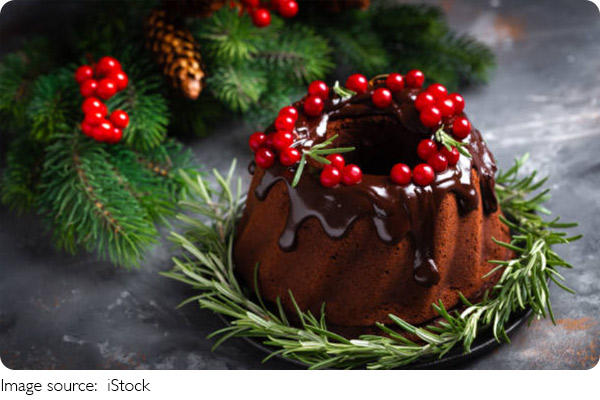
A homemade bundt cake doesn't try to impress with complexity. Its charm comes from steadiness—the quiet mixing, the slow rise in the oven, the simple moment of sharing a slice across the table. Baking one reminds you that comfort often grows from ordinary ingredients handled with care. And once that rhythm becomes familiar, the kitchen starts to feel like a place where calm, warmth, and sweetness naturally return.