Global Cuisine

Caleb Ryan
| 06-02-2026
 · Cate team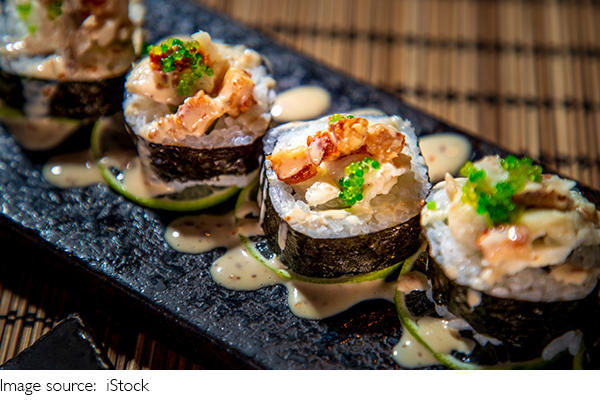
Think about your last meal at a local restaurant. Maybe it was a burger with a unique twist or sushi with a side of avocado. These days, even the most traditional dishes are often influenced by global flavors, thanks to the forces of globalization.
The blending of cuisines from different parts of the world is now more common than ever. But how exactly has this worldwide exchange changed the way we cook and eat locally?
Fusion: The New Norm in Food
Globalization has brought ingredients, cooking methods, and entire cuisines to every corner of the world. This has led to the rise of fusion cuisine, where traditional recipes are combined with foreign elements, creating new, exciting dishes. For example, sushi is no longer just about raw fish and rice—it now comes with a variety of toppings like spicy mayo, tempura, or even tropical fruits.
Example: The rise of "Korean tacos" is a great example. Originating in Los Angeles, this dish combines the flavors of Korean BBQ with the street-food style of Mexican tacos. It's a reflection of the global influences mixing together to create something fresh.
Actionable tip: Next time you cook, try mixing ingredients or techniques from two different cultures. A simple stir-fry could be made with Thai spices, or you could add Mexican herbs to an Italian pasta dish.
Access to Global Ingredients
One of the biggest changes globalization has brought to local cuisines is access to ingredients that were once considered rare or impossible to find. Exotic fruits, spices, and vegetables are now common in most supermarkets, making it easier than ever to create international dishes at home. From fresh lemongrass to avocado, these ingredients have made their way into recipes that would've been unimaginable a generation ago.
Example: In many Western countries, avocado was once considered a foreign fruit. Today, it's a staple in everything from salads to smoothies, and even in desserts like avocado chocolate mousse.
Tip for action: Visit your local grocery store or farmer's market and see what international ingredients you can find. Experiment with them in your next meal to add a unique twist to your usual cooking.
Fast Food's Influence on Local Dishes
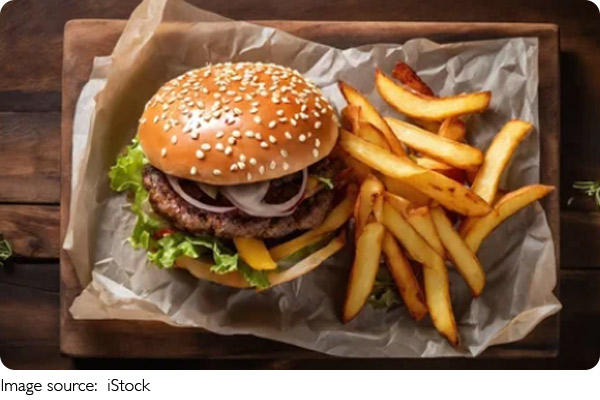
Globalization isn't just about fancy fusion dishes—it's also about the widespread influence of fast food. International fast food chains like McDonald's, KFC, and McDonald's have localized their menus to cater to different tastes, and in the process, they've influenced local food habits. Many traditional dishes are now altered to fit the fast-food model, with quicker cooking methods or portion size adjustments.
Example: In many countries, the burger has been adapted to include regional ingredients, like the “McAloo Tikki” burger in India, which uses a spiced potato patty. Similarly, in the Middle East, shawarma has been served as a fast food item, making it more accessible without losing its traditional roots.
Actionable tip: Next time you crave a quick meal, try making a "local" version of a popular fast food dish at home using fresh ingredients. For example, make a homemade veggie burger or prepare a pita sandwich with grilled chicken and local spices.
How Social Media Amplifies Food Trends?
Social media has played a huge role in spreading food trends across borders. Platforms like Instagram, TikTok, and YouTube have made it possible for food lovers to discover new cuisines and recipes from around the world with just a few taps. As people share food photos and videos, local dishes get revamped or fused with other international flavors.
Example: The “Dalgona coffee” craze that went viral during the pandemic is a perfect example of how a simple drink from South Korea became a global sensation. The trend spread through social media, inspiring people around the world to recreate it in their kitchens.
Tip for action: Follow food influencers or search food hashtags on social media to discover new global food trends. You might just find the next big dish to try in your own kitchen!

The Positive and Negative Effects
While globalization has made food more diverse and accessible, it's not without its challenges. On the one hand, it allows people to try new flavors and discover new culinary traditions. On the other hand, the influx of fast food and mass-produced ingredients can lead to the erosion of traditional cooking practices. As local cuisines become more homogenized, there's a risk that regional food cultures could fade into the background.
Example: In some places, local street food markets have given way to global fast food chains, making it harder for small food businesses to thrive. This shift can change the landscape of local food cultures, especially in urban areas.
Actionable tip: Support local businesses and food traditions by visiting family-owned restaurants, farmers' markets, or food festivals in your area. This helps preserve the unique flavors of your local cuisine.
Embracing Change While Preserving Tradition
Globalization has undeniably changed local cuisines, introducing exciting new ingredients and ideas. Yet, it's important to find a balance between embracing these changes and preserving the culinary traditions that define us. As we continue to explore the rich world of global cuisine, we can still hold on to the dishes that connect us to our roots.
Food has always been a reflection of culture, history, and identity. By blending the best of the old and the new, we can create a culinary future that honors the past while embracing the flavors of the world.