Mediterranean Cuisine

Mason O'Donnell
| 06-02-2026
 · Cate team
Ever wondered why Mediterranean cuisine is often hailed as one of the healthiest diets around?
Picture yourself sitting at a sun-drenched seaside café, enjoying a fresh, flavorful salad with juicy tomatoes, creamy feta, and a drizzle of rich olive oil.
It's not just the gorgeous setting—it's the food. Mediterranean cuisine has long been celebrated for its health benefits, combining fresh ingredients and simple, natural flavors. But what exactly makes it so good for you, and why has it become such a global sensation?
Rich in Healthy Fats
One of the standout features of Mediterranean cuisine is its focus on healthy fats, particularly from olive oil. Olive oil is a staple of this diet, and it's packed with monounsaturated fats, which are known to help reduce the risk of heart disease. Unlike saturated fats found in some animal products, the fats in olive oil are heart-healthy, promoting good cholesterol levels.
Example: Mediterranean countries use olive oil as their primary cooking oil. Whether it's drizzled over a salad or used to sauté vegetables, olive oil is key in making Mediterranean dishes both delicious and beneficial to heart health.
Actionable tip: Swap out your regular cooking oils for olive oil when preparing meals. Try using it to roast vegetables, grill chicken, or drizzle over your favorite pasta dishes for an added boost of flavor and health benefits.
Fresh, Local Ingredients
The Mediterranean diet emphasizes fresh, local produce, which is a huge factor in its healthfulness. It's all about eating seasonally, from vibrant vegetables like tomatoes, peppers, and spinach to sweet fruits like citrus, figs, and grapes. These ingredients are rich in vitamins, minerals, and antioxidants that help fight inflammation and improve overall health.
Example: A typical Mediterranean dish like panzanella, a rustic bread salad, combines ripe tomatoes, cucumbers, red onions, and fresh basil, all drenched in olive oil. This simple combination is packed with nutrients and bursting with flavor.
Actionable tip: Incorporate more seasonal fruits and vegetables into your diet. Start by adding a side of roasted vegetables or a fresh fruit salad to your meals. The more variety you can get, the better!
Balanced Meals with Plenty of Plant-Based Foods
Mediterranean cuisine is naturally plant-heavy, with an abundance of vegetables, legumes, nuts, and grains. Meals are balanced, featuring a mix of plant-based foods that are high in fiber, protein, and essential nutrients. This focus on plant-based foods helps with weight management, digestion, and heart health.
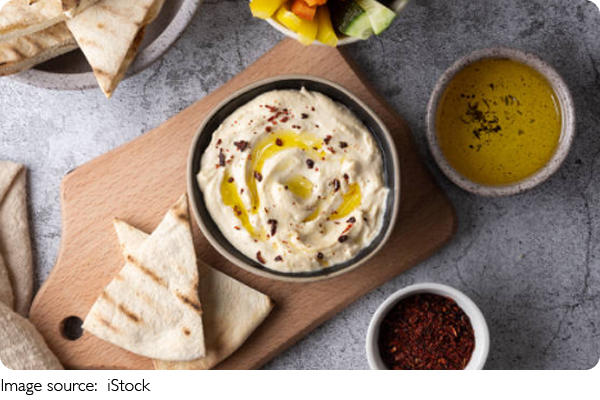
Example: Hummus, made from chickpeas, tahini, olive oil, and lemon, is a staple snack or appetizer in Mediterranean countries. It's packed with fiber, healthy fats, and plant-based protein—perfect for keeping you full and satisfied.
Actionable tip: Try adding a meatless day to your week, such as a Meatless Monday, and focus on plant-based meals. You could experiment with dishes like lentil stew, quinoa salad, or chickpea curry.
Moderate Portions of Lean Proteins
While the Mediterranean diet isn't focused on large amounts of meat, it includes moderate portions of lean proteins like fish, chicken, and legumes. Fish, particularly fatty varieties like salmon and sardines, is especially emphasized due to its high levels of omega-3 fatty acids, which are known to support brain function and reduce inflammation.
Example: In countries like Spain and Portugal, grilled sardines are a favorite, providing a healthy serving of protein and omega-3s without unhealthy fats found in red meat.
Actionable tip: Try swapping red meat for fish a few times a week. Simple grilled fish, such as salmon or tilapia, can be paired with roasted vegetables or a fresh salad for a complete, nutritious meal.
Social and Relaxed Dining
Another aspect of Mediterranean cuisine that contributes to its healthfulness is the way meals are enjoyed. In many Mediterranean cultures, food is seen as a social experience, where meals are shared leisurely with family and friends. This relaxed approach to dining encourages mindfulness and helps prevent overeating. When meals are savored slowly, it's easier to recognize when you're full and satisfied.
Example: In some Mediterranean cuisine, it's common to have a meze platter, a selection of small dishes served for sharing. These may include olives, cheese, hummus, and grilled vegetables. The variety encourages moderation and sharing, leading to a balanced meal experience.
Actionable tip: Next time you sit down for a meal, try to slow down and savor each bite. Whether you're dining alone or with friends, take the time to enjoy the flavors and textures of your food. This can help you avoid overeating and increase your enjoyment of the meal.
Mediterranean Cuisine and Longevity
The Mediterranean diet has long been associated with longer life expectancy and improved quality of life. Studies have shown that those who follow a Mediterranean-inspired eating plan tend to have a lower risk of chronic diseases such as heart disease, diabetes, and certain cancers. This is partly due to the combination of nutrient-dense foods, healthy fats, and the anti-inflammatory properties of many Mediterranean ingredients.
Example: The famous Blue Zones, regions where people live longer and healthier lives, are often located in Mediterranean areas such as Sardinia, Italy. These areas are known for their diet, which is rich in fruits, vegetables, and healthy fats, contributing to the longevity of their populations.
Actionable tip: To improve your long-term health, consider adopting a Mediterranean-inspired lifestyle. Start with small changes, like increasing your intake of fruits, vegetables, and healthy fats, while reducing your consumption of processed foods.
Dr. Frank Hu, Professor of Nutrition and Epidemiology at the Harvard School of Public Health, states that components of foods or beverages in the Mediterranean diet may have anti-inflammatory effects.
A Global Favorite for a Reason
Mediterranean cuisine isn't just popular because it's delicious—it's healthy, too. With its emphasis on fresh ingredients, healthy fats, lean proteins, and plant-based foods, it's no wonder this diet is often ranked among the healthiest in the world. Whether you're looking to boost your heart health, manage your weight, or simply enjoy flavorful, vibrant meals, Mediterranean cuisine offers something for everyone. The best part? It's a lifestyle, not a diet—one that encourages savoring food, sharing meals with loved ones, and living well.