Mastering Coffee Brewing

Ethan Sullivan
| 29-01-2026
 · Cate team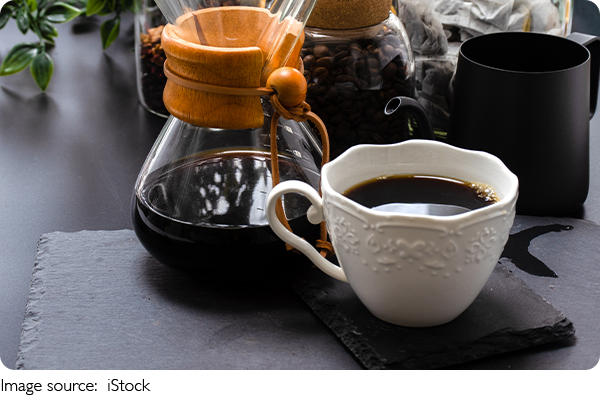
Coffee isn't just a drink—it's a ritual, a comfort, and a daily boost for millions. The way you brew it can completely change your experience, from the aroma that fills the kitchen to the flavor that dances on your taste buds.
Hand drip, espresso, and cold brew are three popular methods, each with its own personality and technique. Understanding their differences helps you choose the right brew for your mood, time, and taste preferences.
Hand Drip: Control and Clarity
Hand drip, also known as pour-over, is all about precision and patience. It allows you to control the water temperature, pouring speed, and extraction time, which directly affects flavor.
Step-by-step approach:
1. Start with fresh, medium-ground coffee. For a single cup, use about 15 grams.
2. Heat water to around 92–96°C (197–205°F). Too hot can burn the coffee, too cool will under-extract it.
3. Slowly pour water in circular motions, starting at the center and moving outward. Bloom the coffee first by adding a small amount of water to let gases escape for 30 seconds.
4. Continue pouring gradually until you reach the desired volume, usually around 250 ml for a standard cup.
Hand drip produces a clean, bright cup where subtle flavors shine. For example, a lightly roasted Ethiopian bean brewed this way often highlights floral and fruity notes that might be lost in other methods.
Espresso: Intensity and Energy
Espresso is the method behind your morning cappuccino or latte. It's fast, concentrated, and bold. Espresso extracts flavors under high pressure, producing a rich, creamy shot with a signature crema on top.
Step-by-step approach:
1. Use finely ground coffee, about 18–20 grams for a double shot.
2. Tamp the coffee evenly to ensure uniform extraction. Uneven tamping can cause over-extraction in some areas and under-extraction in others.
3. Brew under 9 bars of pressure for about 25–30 seconds. Timing is crucial—too short results in weak espresso, too long can make it bitter.
Espresso's strength makes it perfect for milk-based drinks or an energizing straight shot. A smooth, well-pulled espresso can highlight chocolate, caramel, or nutty undertones depending on the bean.

Cold Brew: Smooth and Refreshing
Cold brew is slow, gentle, and ideal for warm weather. Instead of hot water, cold water extracts coffee over many hours, producing a smooth, low-acidity drink that's easy on the stomach.
Step-by-step approach:
1. Coarsely grind about 100 grams of coffee for every liter of cold water.
2. Combine coffee and water in a jar or pitcher and stir to saturate all grounds.
3. Steep in the fridge for 12–18 hours. The longer it steeps, the stronger the concentrate.
4. Strain using a fine mesh or coffee filter, then dilute to taste with water or milk.
Cold brew is versatile. You can mix it with sparkling water for a fizzy drink or serve over ice with a splash of almond milk. Its mellow flavor often emphasizes chocolatey or nutty notes rather than bright acidity.
Choosing the Right Method
Choosing a brew depends on your time, flavor preference, and caffeine needs.
Consider these tips:
1. If you enjoy ritual and subtle flavor exploration, hand drip is ideal.
2. For a quick, powerful caffeine hit, espresso works best.
3. When you want a refreshing, smooth beverage with minimal bitterness, cold brew is perfect.
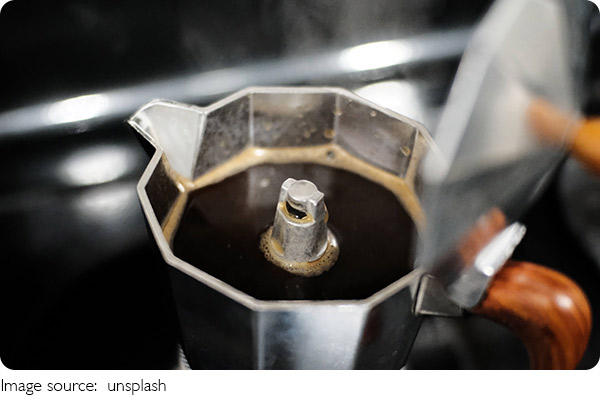
Experimenting with different beans and roast levels can also drastically change the taste. Even the same method will produce new results with a different coffee origin.
Coffee is more than a beverage; it's a craft. Understanding the methods lets you explore flavors, control strength, and enjoy every sip to its fullest. Whether you're savoring a hand-drip cup in the morning, a quick espresso at work, or a chilled cold brew on a hot afternoon, each method brings its own joy. Take the time to try them all—you might find a new favorite routine that turns coffee from a habit into a small daily adventure.