Sweet Nectar Tale

Ravish Kumar
| 23-01-2026
 · Cate team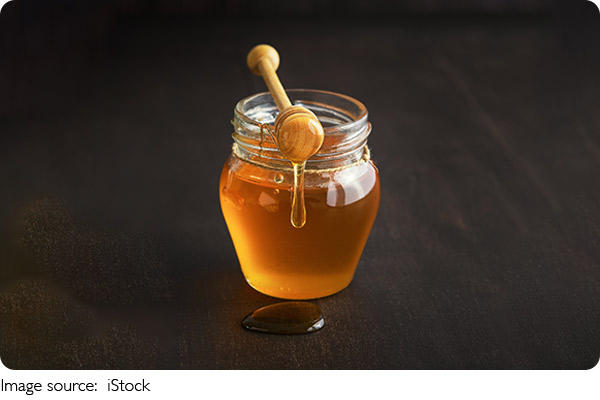
Have you ever paused to savor the golden sweetness that comes straight from flowers? Flower honey is more than a delicious treat; it is a natural wonder connecting plants, bees, and humans in a remarkable cycle.
When we think about honey, we often picture jars of golden syrup on our breakfast table, but the journey of flower honey begins much earlier—in the blooms that attract buzzing pollinators.
By learning about this journey, we can appreciate not only the flavor but also the care and natural balance behind every drop.
From Flower Nectar to Honey
The magic of flower honey begins with nectar. Flowers produce nectar with a mix of sugars, such as sucrose, fructose, and glucose. These sugars are not just sweet treats; they serve as a powerful lure for pollinators. Bees, in particular, are drawn to nectar as a vital food source. When we watch them at work, we see bees sipping nectar, carrying it back to the hive, and beginning a complex transformation.
Through enzymatic breakdown and water evaporation, nectar gradually becomes honey. Nectar’s sugar concentration is key here: higher sugar content produces thicker, richer honey that delights our taste buds.
The Varieties and Flavors of Flower Honey
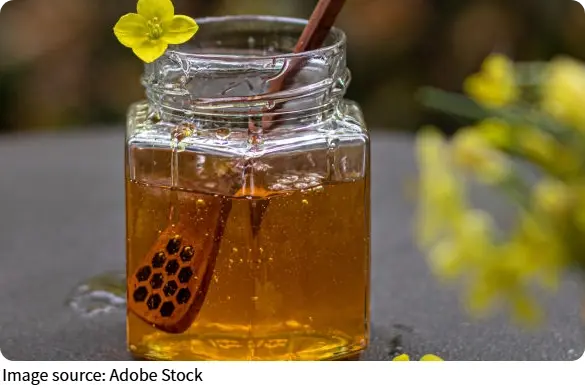
Not all honey tastes the same. The types of flowers bees visit directly influence honey’s flavor, color, and aroma. Lavender honey, for example, has a delicate floral scent, while acacia honey is light and mild. Sunflower honey often carries a subtle fruity note. By observing the flowers around us, we can anticipate the unique taste profiles of the honey they produce. This diversity makes flower honey not only delicious but also versatile, perfect for sweetening tea, drizzling on desserts, or even using in home remedies.
Environmental Influence on Honey Quality
The environment where bees forage affects nectar production and honey quality. Temperature, humidity, and soil nutrition all play a role. For example, during dry periods, flowers may produce nectar with higher sugar concentrations, resulting in thicker, more flavorful honey. When we consider the natural conditions bees experience, we understand why some batches of honey taste richer than others. By paying attention to these details, we can select honey that is not just sweet but also full of natural nutrients and subtle floral notes.
Flower Honey and Its Benefits
Flower honey is more than just a sweetener. We can enjoy its nutritional benefits, including trace minerals, antioxidants, and natural enzymes. While we drizzle it on our breakfast or stir it into drinks, it can also support wellness by soothing minor throat discomfort or aiding digestion. Observing bees and their careful work teaches us patience and respect for nature’s rhythms. Every spoonful reminds us that nature’s sweetest gifts are also the most carefully crafted.
Harvesting and Choosing the Best Honey
If we want the most flavorful honey, understanding its origin is key. High-quality flower honey usually comes from hives placed near abundant, pesticide-free flowers. The harvesting method also matters: honey collected when fully matured in honeycombs tends to have richer flavor and better texture. We can also notice subtle differences by sight: clear, golden honey is often mild and light, while darker honey usually has a stronger, more intense taste. By learning to read these signs, we can enjoy honey that is both natural and nutritious.
Nature’s Sweet Connection
Lykkers, next time we drizzle flower honey on toast or stir it into tea, let’s remember the incredible journey behind it. From flower nectar to bee labor, and finally to the jar on our table, flower honey represents the perfect collaboration between plants, insects, and humans. By choosing natural, high-quality honey, we taste not just sweetness, but also the story of nature’s balance and diligence. It reminds us that even simple pleasures can have fascinating stories and that every drop of honey carries the essence of the flowers it came from.
Honey Bees Make Honey ... and Bread? | Deep Look
Video by Deep Look