The Plant-Based Shift

Chris Isidore
| 14-01-2026
 · Cate team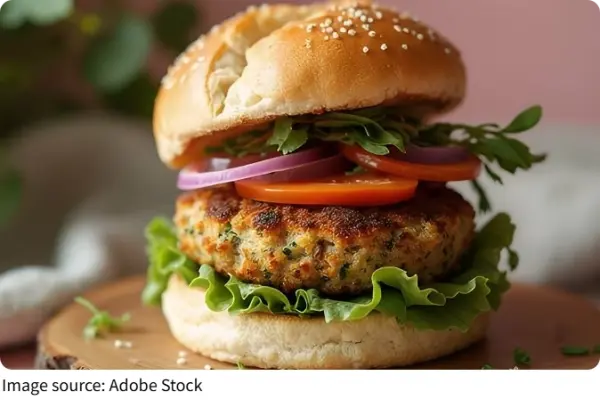
The idea of swapping a burger for a veggie patty might seem like a small change. But what if I told you that this tiny switch could have a big impact on the planet?
For years, the conversation around sustainability has revolved around energy, waste, and transportation. Yet, one area that often gets overlooked is food. Specifically, what we eat. The rise of plant-based diets, from veganism to flexitarianism, is reshaping the way we think about our meals—and it's making a huge difference in terms of environmental impact.
The Environmental Toll of Traditional Diets
Here's a fact you might not know: animal agriculture is responsible for nearly 15% of global greenhouse gas emissions. That's more than the entire transportation sector combined. It's not just about the meat itself, but the entire cycle—growing food to feed animals, the resources required to maintain these animals, and the energy needed to process and transport meat. It's all a lot of work for a single burger.
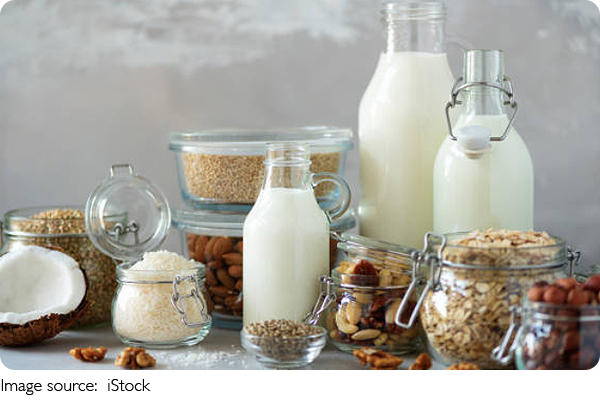
By contrast, plant-based diets can dramatically reduce our carbon footprint. Foods like grains, legumes, and vegetables require far less land, water, and energy to produce than animal products. So, when you choose a plant-based meal, you're making a direct contribution to reducing the burden on our planet.
Why Plant-Based Diets Are More Sustainable?
Making the switch to a plant-based diet isn't just about avoiding meat; it's about choosing foods that are inherently better for the environment. Here's why:
1. Lower Carbon Footprint: Plant-based foods typically have lower emissions associated with their production. For example, producing beans and lentils releases far fewer greenhouse gases compared to meat and chicken.
2. Water Conservation: Did you know it takes about 1,800 gallons of water to produce just one pound of meat? That's an insane amount, especially when you compare it to the 220 gallons required for the same weight in tofu. Choosing plant-based options helps conserve valuable freshwater resources.
3. Biodiversity Protection: Animal farming requires vast amounts of land for grazing and growing feed. This leads to deforestation, loss of habitats, and a decrease in biodiversity. By embracing plant-based foods, we're allowing nature to thrive instead of cutting it down to make room for farming.
How You Can Make a Difference?
So, how can you take action today? While switching to a completely plant-based diet may not be everyone's cup of tea, there are plenty of small changes that can add up over time. Here's how you can get started:
1. Start Small: Try swapping one meal a week for a plant-based option. It could be a veggie stir-fry, a lentil soup, or even a veggie burger. You don't have to go full vegan to see the benefits.
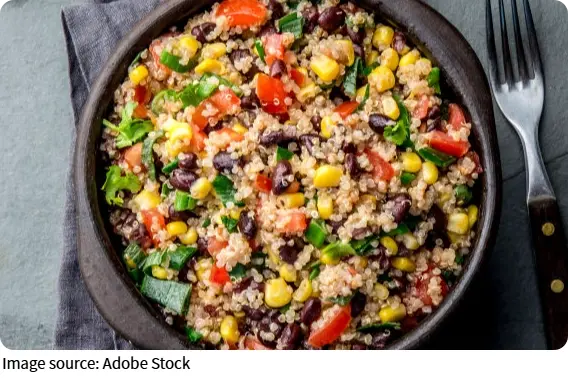
2. Experiment with Plant Proteins: If you're used to animal-based proteins, you might be worried about missing out. But there are tons of plant-based proteins out there—beans, chickpeas, tempeh, and quinoa, just to name a few. And the best part? They're delicious, nutritious, and great for the environment.
3. Support Sustainable Brands: Look for companies that are dedicated to offering sustainable plant-based products. Many brands now focus on eco-friendly sourcing and packaging, so you can enjoy your meals while supporting companies that care about the planet.
The Bigger Picture
The rise of plant-based eating is about more than just reducing carbon footprints. It's a broader shift in how we approach food systems, sustainability, and our role in protecting the Earth. We're seeing more farms focus on regenerative agriculture, which emphasizes the restoration of soil health, and more individuals and companies finding ways to reduce food waste.
A plant-based diet doesn't just help us individually; it's part of a much larger movement towards systemic change. Whether you're eating more fruits and vegetables or choosing plant-based alternatives, you're contributing to a global effort to restore balance to our ecosystems and reduce the impact of climate change.
Wrapping Up: Small Steps, Big Impact
We often underestimate the power of the choices we make every day. But by embracing plant-based eating, we're not just nourishing our bodies—we're nourishing the planet, too. The shift towards plant-based diets is more than just a food trend; it's a way to reduce our environmental footprint, support a healthier planet, and be part of a movement that truly matters.
So, the next time you're at the grocery store or planning your meals, consider the impact of your choices. A small change today could make a big difference tomorrow.