Vatnajökull: Frozen in Fury

Arvind Singh
| 05-03-2026
 · Travel team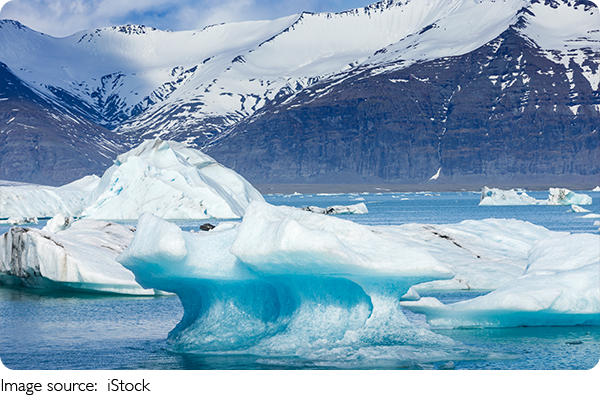
Ever stood in front of a glacier and felt it “move” without actually moving—crackles, wind, and blue ice that looks lit from inside?
Vatnajökull National Park is Iceland’s biggest dose of that feeling, mixing outlet glaciers, lagoons, and powerful waterfalls. This guide focuses on what to see, when to go, and how to budget in dollars.
Quick Scale
Vatnajökull is enormous: roughly 8,000 square kilometers of ice, with depths near 1,000 meters at its thickest. The national park around it covers close to 14% of Iceland and is famous for a “fire and ice” landscape where glaciers, volcanoes, and powerful rivers shape the terrain side by side.
Fire Below
This park isn’t just frozen scenery. Under the ice sit active volcanic systems and geothermal zones that melt from below, while glacial outburst floods can reshape plains and channels quickly. That mix is exactly why safety rules matter: the terrain can look calm, then change fast near meltwater edges, steep ice walls, and unstable ground.
Best Seasons
Summer brings long daylight, easier roads, and more tour departures, making it ideal for glacier hikes and lagoon visits. Winter is the season for guided ice-cave trips and sharp, dramatic photo light. Visitor-center hours also shift by season, so planning early starts is easier in summer and more limited in the darker months.
Getting There
Most travelers reach the south side via Route 1. The drive from Reykjavík to Skaftafell is commonly planned at about 4.5 hours (around 327 km), depending on stops and weather. A rental car keeps the route flexible, and prices vary widely by season—economy cars can be low in quiet periods, while SUVs rise in peak months.
Car Choices
A standard car is usually fine for Route 1 and major pull-offs in good conditions. A 4x4 becomes useful when routes get rough, visibility drops, or gravel sections are part of the plan. A practical planning range is about $80–$120 per day for compact cars and roughly $150–$250 per day for 4x4 or SUV options in busier seasons.
Park Fees
Vatnajökull’s busiest areas often use parking fees rather than a single park entry ticket. A common rate is 1,040 ISK for a standard passenger car (5 seats or fewer), valid until midnight on the day paid, with discounts sometimes applied if another fee area was visited the same day. At typical rates, that’s around $9.
Skaftafell Base
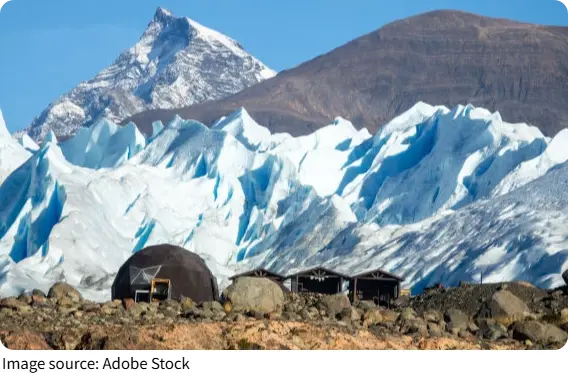
Skaftafell is the best “do-everything” hub. Rangers and visitor staff provide trail guidance, safety updates, and conditions, and the area is built for practical travel: clear parking, marked paths, and nearby services. It’s also an easy base for day hikes, short glacier viewpoints, and launching guided glacier walks.
Skaftafell
Camping Costs
Camping is a strong-value option if the weather plan is realistic. The campground fee is often listed around 2,800 ISK per person per night, and electricity can cost about 1,500 ISK per 24 hours. With typical conversion rates, that’s roughly $23 per night and about $12 for electricity, making it budget-friendly when tours are the main splurge.
Glacier Hikes
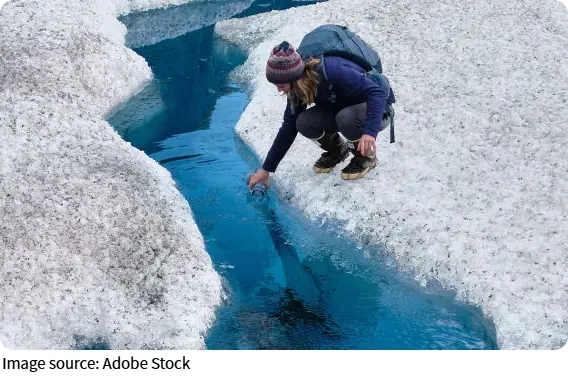
Glacier walking should be done with certified guides. Ice changes, crevasses open, and weather can flip quickly, so guided routes are the safe standard. A common entry-level option is a 3-hour guided hike from Skaftafell priced from about $87 per traveler, with optional gear add-ons such as waterproof layers (around $12 each) if needed.
Ice Lagoon
Jökulsárlón is the park’s most famous lagoon stop, where floating ice drifts toward the sea and sometimes washes up on nearby black sand. Boat tours bring the ice much closer. Typical prices from major operators are about 7,100 ISK for an amphibian tour (around $58) and about 16,600 ISK for a zodiac tour (around $136).
Tour Timing
Timing matters for both crowds and light. Lagoon tours often run longest in summer, commonly around 9:00–19:00 from June through September, with shorter windows in shoulder seasons. Many travelers aim for early morning or late afternoon when light is softer and parking is easier. Nearby cafés can be useful for warm drinks between viewpoint stops.
Where Stay
For comfort between Skaftafell and the lagoon, Fosshotel Glacier Lagoon is a popular splurge. Typical pricing often averages around $255 per night, with occasional lower dates closer to $175 depending on season and availability. For more services and dining variety, Höfn is a practical base, with average hotel room costs often estimated around $160 per night.
Where Eat
Plan one warm sit-down meal each day and keep the rest simple. Budget meal spending in Iceland commonly lands around $15–$25 per person, with higher totals for full-service dinners. In Höfn, local cafés are good for soup-and-bread lunches and filling plates after long drives. Packing snacks also helps, since distances between stops can be long.
North Highlights
Vatnajökull National Park also stretches north, where Dettifoss is a standout for raw power. Road access varies by side and season: one route is typically easier and more reliably open, while the other can be rougher and more seasonal. If a Dettifoss day is planned, check road updates the same morning and allow extra drive time.
Conclusion
Vatnajökull delivers “big nature” without guesswork when the plan is simple: base near Skaftafell or Höfn, budget for one signature tour, and time the lagoon for early or late light. With parking fees, campground rates, and boat prices mapped in dollars, the trip feels smoother and safer. Which experience would be the highlight—stepping onto the ice, cruising among lagoon ice, or chasing a waterfall day in the north?