Aracaju: Brazil’ Secret Star

Arvind Singh
| 05-03-2026
 · Travel team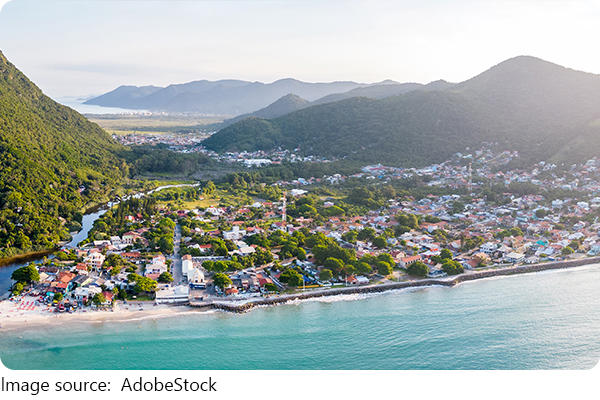
Friends, looking for a coastal city that feels easy to navigate, warm in vibe, and full of small surprises between beach time and culture stops?
Aracaju delivers a relaxed shoreline, hands-on museums, and day trips that add real adventure without complicated planning. This guide maps what to do, where to stay, where to eat, and what it costs.
Money Basics
To keep prices consistent, the $ estimates below use a common planning rate of about 1 USD ≈ 5.59 BRL, so real totals may shift slightly with exchange rates and season. Pack a little cash for small vendors, but cards are widely used in larger hotels and busier dining areas.
Atalaia Beach
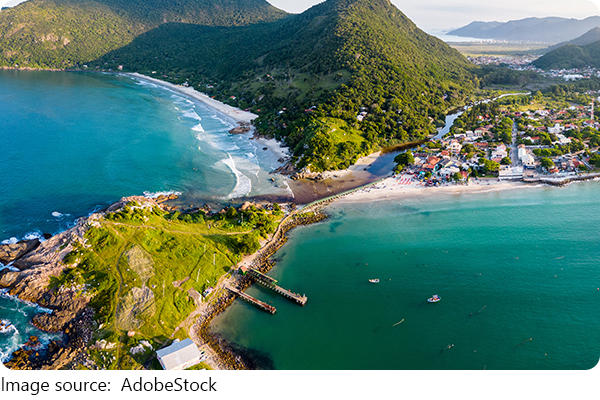
Atalaia is the city’s main beach zone, built around a long promenade that’s best early morning or late afternoon. Expect a social atmosphere, beach chairs, and easy walks between family-friendly areas and photo spots. Budget $2–$4 for a coconut water and snack, and aim for sunrise light when the sand is cooler.
Oceanário Visit
The Oceanário de Aracaju (Projeto Tamar) is a standout for families and curious travelers, with a strong conservation focus. It typically opens Tuesday to Sunday from 10:00 to 17:00. Tickets are often listed at R$40 full price and R$20 half—about $7 and $4—and a family pass may be around R$100, roughly $18.
Culture Stop
For an indoor break, Museu da Gente Sergipana is a lively, interactive way to understand local identity without needing hours of reading. Plan roughly 60–90 minutes for the visit. Typical hours are Tuesday–Sunday, and last entry may be earlier than closing time, so arriving before mid-afternoon keeps the visit relaxed.
Crab Promenade
Near Atalaia, Passarela do Caranguejo is an easy evening walk built around a giant crab sculpture and a dense cluster of places to eat. Think of it as a “choose-your-own dinner” where it’s simple to try one signature plate and add a dessert later. Walk there early evening for a calmer vibe.
Crab Catwalk - Passarela do Caranguejo
Where To Eat
For budget-friendly local meals, plan one market-style lunch and one sit-down dinner. A simple plate with rice, beans, vegetables, and grilled fish often lands around $6–$12 depending on location, while a fuller dinner commonly runs $12–$22. For snack pacing, set aside $3–$6 for fruit cups, pastries, and fresh juices between stops.
River Daytrip
A classic upgrade is a day trip toward the São Francisco River region, where boat rides reveal big cliffs and calm water views. Tour operators commonly sell packages that include transport and the boat segment. A typical listing for the Xingó Canyon experience is around $80–$85. Start early, bring sun protection, and keep a dry bag for phones.
Canyon Choice
If the plan is Canyon Xingó, confirm what is included: transport, guide, and the catamaran ticket can change the real value. Many tours depart early morning and return late afternoon, so pack snacks and water for the road time. A practical all-in budget for this day is $90–$120 including lunch and small extras.
Getting Around
Within the city, short ride-share trips are often the easiest option after dark. Typical rides in the R$10–R$20 range land around $2–$4. Public buses are cheaper but slower; a fare around R$4 converts to roughly $0.70. For day trips, renting a car can make timing smoother and reduce waiting.
Where To Stay
For first-timers, the Atalaia area is the most convenient base because beach walks, the oceanarium, and evening dining are close together. Higher-comfort beachfront hotels often start around $120–$160 per night depending on date. Midrange stays nearby frequently land in the $50–$90 range in many seasons, especially when booked ahead.
Budget Stays
If the goal is value, there are plenty of simple hotels and guesthouses that keep costs low while staying close to the action. Some well-located properties are often listed around $33–$45 on booking platforms depending on date and fees. Plan $20–$45 for budget pousadas when booking early and traveling outside peak weekends.
Conclusion
Aracaju shines when the trip blends three easy pieces: sunrise or sunset at Atalaia, a conservation-focused oceanarium visit, and one bigger day trip like Canyon Xingó for scenery that feels truly different. With a beach-area base and a simple food plan, days stay light and enjoyable. Which would be the top priority—oceanarium and culture, or a full-day canyon ride?