Taste Madeira, Feel Its Soul

Nolan O'Connor
| 05-03-2026
 · Travel team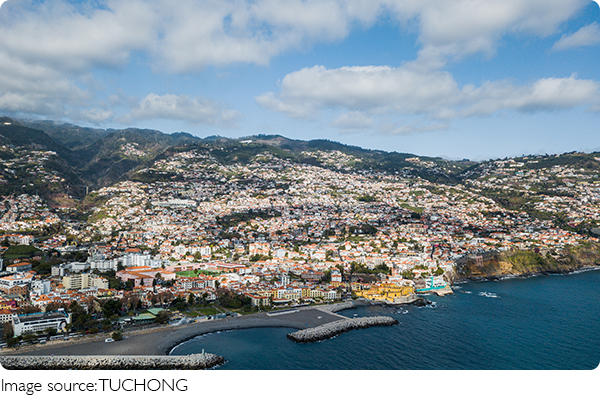
Friends, want an island where mornings can be rainforest-cool, afternoons ocean-bright, and evenings calm enough for a slow dinner walk? Madeira delivers that variety without needing long transfers, as long as the trip is paced well.
This guide covers when to go, how long to stay, what to do, where to sleep, where to eat, and what to budget in dollars.
Best Season
Madeira stays mild year-round, but spring and autumn are the easiest months for balanced days. Trails feel cooler, roads are less busy, and the island still looks vivid. Summer brings longer daylight and more tour departures, while winter can be wetter in the mountains. Plan one flexible afternoon for weather shifts, especially if hiking is a priority.
Getting There
Flights arrive near Funchal, and the simplest first day is a short transfer to a central hotel and an easy waterfront walk. Public buses cover the city and main coastal towns, but a car is the best tool for reaching trailheads and viewpoints on your schedule. If steep roads feel intimidating, choose an automatic and drive shorter loops instead of one long circuit.
Where Stay
Funchal is the smartest base for first-timers: walkable evenings, plenty of cafés, and quick access to cable cars and day tours. Budget stays often run $70 to $120 per night, midrange hotels $140 to $240, and higher-comfort properties $260 and up in peak periods. For quieter nights, Calheta or Ponta do Sol are restful alternatives.
Getting Around
A practical strategy is splitting transport: use Funchal walking and short taxis for two days, then rent a car for two to four days to cover west-coast pools, levadas, and ridge viewpoints. Typical rental pricing varies by season, but a realistic planning range is $55 to $95 per day for a small automatic, and $100 to $170 for larger vehicles.
Levada Trails
Levada paths are Madeira’s signature, running beside historic irrigation channels through dense greenery and waterfalls. Choose one longer levada day and one shorter coastal walk day to avoid fatigue. Pack a light rain shell, a headlamp for tunnel sections, and snacks. Start early for cooler air and fewer people, then finish with a warm meal and an early night.
Peak Views
For mountain scenery, plan one high-elevation morning when visibility is best. Temperatures can drop quickly with wind, so bring layers even if the coast feels warm. Aim to be off exposed ridges by late afternoon when clouds often build. If weather looks uncertain, swap the mountain plan for a sheltered levada or a museum and café day.
Cable Car
Madeira’s cable cars turn steep cliffs into quick adventures. A short cliff descent like Achadas da Cruz is usually a low-cost thrill, around $3 to $4 return depending on updated pricing. In Funchal, the main cable car is a bigger ticket, commonly around $23 return or $17 one-way. Go late afternoon for softer light and cooler air.
Faja Escape
Faja dos Padres is a great half-day change of pace: a cable car drops to a shoreline farm area with paths, gardens, and ocean views. A common combined ticket range is about $12 per person. Arrive before mid-afternoon so the return ride feels unhurried. Wear shoes with grip, since paths can be uneven, and bring water because the sun reflects strongly off rock.
Natural Pools
Porto Moniz is the classic lava-pool stop, with safe edges, changing areas, and clear viewpoints. Entry is typically around $3 to $4 per person, with seasonal hours that usually run longer in summer. Nearby parking can be around $2 to $3 per hour. Bring a light cover-up for wind and plan a café stop afterward to warm up.
Beach Day
Madeira is more about dramatic swimming spots than long sandy bays, so plan expectations accordingly. For a true sand day, Porto Santo is the add-on. Ferry costs vary by date and demand, but a common planning range is $66 to $84 round trip for a foot passenger. To make it worth the effort, leave early and return late, or stay one night.
Where Eat
Madeira is easiest on the budget with a simple routine: bakery breakfast, picnic lunch, then one sit-down dinner. Plan $8 to $14 for coffee and pastries, $12 to $20 for a casual lunch plate, and $20 to $35 for dinner depending on location. Look for grilled chicken skewers, vegetable soups, garlic flatbread, and seafood rice dishes for filling meals.
Market Picks
Markets are ideal for building picnic lunches that fit hiking days. Buy fruit, bread, cheese, and simple sweets, then pack a small bag for the trail. Budget $8 to $15 per person for a strong picnic spread, less if buying only snacks. Arrive earlier for better selection and shorter lines, and carry a reusable bottle for water refills.
Budget Notes
A comfortable daily spend excluding hotels often lands around $45 to $90 per person, depending on paid attractions and how often restaurants are used. Add one premium day for a ferry trip or multiple cable cars and pools. The best cost-saver is combining a picnic lunch with one paid highlight per day, rather than stacking three paid stops.
Sample Plan
Day 1: Funchal walk, cable car, and an easy dinner nearby. Day 2: A longer levada hike and an early night. Day 3: West-coast loop with Porto Moniz pools and a scenic drive. Day 4: A flexible day for peaks or a calmer coastal town. With two extra nights, add Porto Santo and one slow recovery day for cafés and viewpoints.
Conclusion
Madeira feels most soulful when the days stay balanced: one trail or viewpoint, one water moment, and one satisfying meal that slows the pace. With a smart base, simple transport strategy, and clear dollar budgeting, the island becomes easy to enjoy rather than hard to manage. Which day sounds most perfect: a levada hike, a cable car drop, or a lava-pool swim?